Head Start
Collaboration
The New York State Head Start Collaboration Office facilitates partnerships between Head Start agencies and other state entities that provide services to benefit low-income children and their families.
Farm to Head Start
Farm to Head Start provides children in early childhood settings increased access to healthy, regionally produced foods through local purchasing, opportunities for hands-on gardening experience and nutrition, food, and agricultural education. Download this scripted “Farm to Head Start” story with the little one in your life to help them understand the benefits of locally grown fruits and veggies. Print this story and fill in the blanks to make it their own!
Head Start
Projects
& Activities
The Head Start program offers a wide array of projects and activities designed to support early childhood education, family engagement, health care, and community services.
Read the 2023 Head Start Collaboration Project Needs Assessment by clicking on the button below.
"Ollie"
The Oral Health Otter

Welcome to the New York State Oral Health Project, with “Ollie” the Otter! A web resource with information about the importance of strong oral health practices for babies and young children.
Click below to find resources for families, early care and education teachers, health care providers, and others caring for young children. All resources have been collected and carefully reviewed by the New York State Council on Children and Families, the Schuyler Center for Analysis and Advocacy, and the University of Rochester Eastman School of Dentistry.
Resources for Parents
Resources for Teachers
Resources for Health Providers
Featured Resource
Pediatric Dentistry for the General Dentist: This comprehensive, 2-hour course introduces dentists to the fundamentals of pediatric dentistry for children ages 1–3. The session emphasizes establishing a dental home, understanding growth and development, identifying early childhood caries, providing preventive care, and managing behavior in young patients. Participants will gain confidence in examining, diagnosing, and treating toddlers while fostering positive experiences for both child and parent.
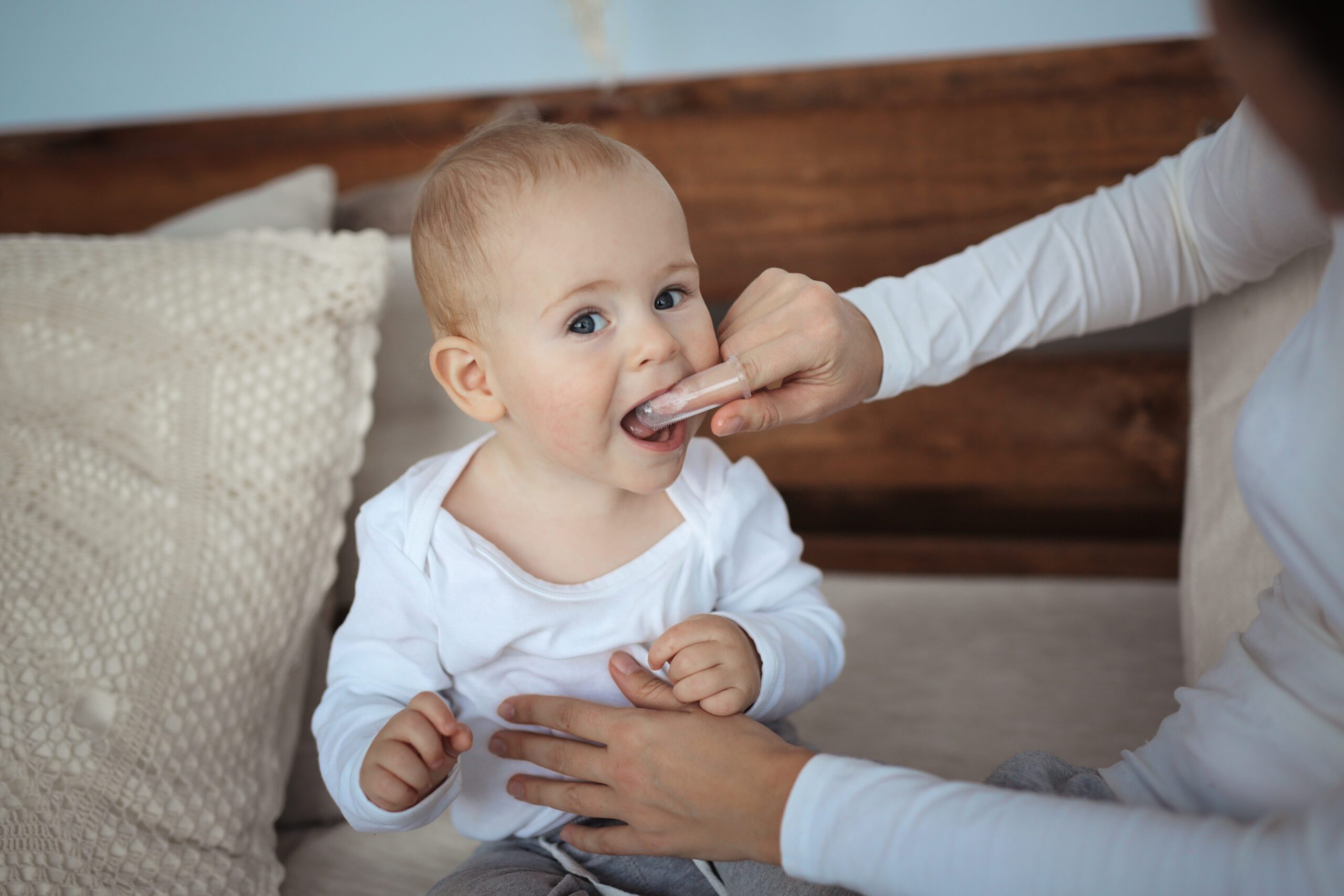
Resources for Parents
Expand each of the rows below to find guidance for pregnant people, parents/caregivers of children birth to age 3, and birth to age 5.
Pregnancy
Birth - 3 Years
Birth - 5 Years
- Oral Health Tips for Children (Centers for Disease Control and Prevention)
- Oral Health (The American Academy of Pediatrics)
- My Children's Teeth, Education and Resources for Parents (America's Pediatric Dentists)
- Mouth Monsters Hub (America's Pediatric Dentists)
- Oral Health Tips and Guides (National Maternal and Child Oral Health Resource Center)
- Brush Up on Oral Health, Understanding Silver Diamine Flouride (Head Start)
- Keeping Your Child's Teeth Healthy (Nemours KidsHealth)
- Flouride (Nemours KidsHealth)
- Flouride for Kids and Cavities: The Myths and The Science [Parent's Guide] (Ask the Dentist)
- Community Water Flouridation (Centers for Disease Control and Prevention)

Resources for Teachers
Expand each of the rows below to find guidance for teachers of children birth to age 3, and birth to age 5.
Birth - 3 Years
Birth - 5 Years
- Oral Health (American Academy of Pediatrics)
- My Children's Teeth, Education and Resources for Parents (America's Pediatric Dentists)
- Mouth Monsters Hub (America's Pediatric Dentists)
- Oral Health Tips and Guides (National Maternal and Child Oral Health Resource Center)
- Training: Open Wide (National Maternal and Child Oral Health Resource Center)
- Smiles for Life, National Oral Health Curriculum (Society of Teachers of Family Medicine Group on Oral Health.)
- Brushing Teeth at the Classroom Table (Head Start)
- Oral Health Tips for Children (Centers for Disease Control and Prevention)
- Understanding the Use of Silver Diamine Flouride (Head Start)
- Oral Health Resources for Staff (Head Start)
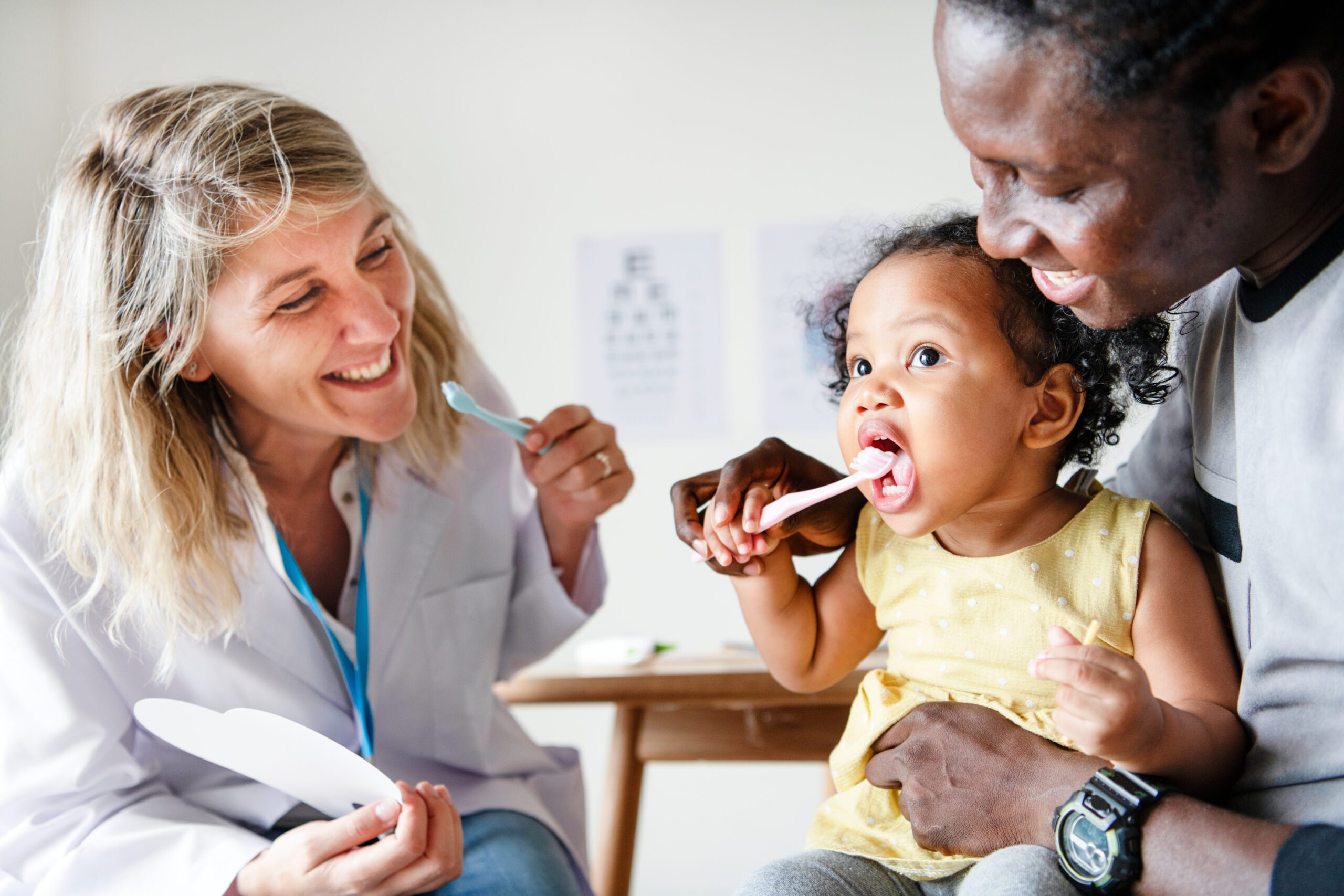
Resources for Health Providers
Expand each of the rows below to find guidance for health providers of pregnant people, children birth to age 3, and birth to age 5.
Pregnancy
Birth - 3 Years
Birth - 5 Years
- Training: Pediatric Dentistry for the General Dentist (NYS Dental Foundation)
- Oral Health (The American Academy of Pediatrics)
- Publications for Consumers (National Maternal and Child Oral Health Resource Center)
- Mouth Monsters Hub (America's Pediatric Dentists)
- Oral Health Tips and Guides (National Maternal and Child Oral Health Resource Center)
- Training: Open Wide (National Maternal and Child Oral Health Resource Center)
- Oral Health Resources for Staff (Head Start)
- Smiles for Life National Oral Health Curriculum (Society of Teachers of Family Medicine Group on Oral Health)
- Flouride: The Family Physicians Role (American Academy of Family Physicians)
- Flouride for Children (American Academy of Pediatrics)
- Flouride for Kids and Cavities: The Myths and The Science [Parent's Guide] (Ask the Dentist)
- Community Water Flouridation (Centers for Disease Control and Prevention)
- Understanding the Use of Silver Diamine Flouride (Head Start)

Oral Health Newsletter
This monthly newsletter from the National Maternal and Child Oral Health Resource Center, part of the federal Early Childhood Learning and Knowledge Center, features resources and tools to promote oral health in the classroom and at home. Click on the image to the left and sign up today!
QRIS
Quality Rating and Improvement System
Obtaining quality child care is difficult for all families. It is especially difficult for low-income working families who may work irregular hours and cannot afford the cost of high quality child care. Recognizing the importance of quality child care, New York has developed a quality rating and improvement system (QRIS), QUALITYstarsNY.
Community Services
Addiction Support and Services
The NYS Office of Addiction Services and Supports licenses residential treatment programs. Some residential programs allow children to reside in centers with their parent while they participate in the program. To support program staff in helping participants support their child’s developmental health, we’ve developed a report describing New York’s system of early childhood services including how families can locate and enroll their child in Head Start and Early Head Start.
Nutrition
Good nutrition is an important part of a healthy lifestyle. Eating healthy foods helps children get the nutrients their bodies need to stay healthy, think clearly, be active, and strong. Head Start staff can explore these resources to support healthy eating habits and find nutrition assistance information to share with families.
Homeless
All Head Start programs must prioritize children who are homeless for enrollment. The Tip Sheet for Head Start Providers has information about how to identify children who are experiencing homelessness and how to enroll them in Head Start. The Head Start Housing Questionnaire should be used by Head Start staff as part of the enrollment process to identify any child who is homeless. Both documents were developed by the New York State Technical and Education Assistance Center for Homeless Students (www.nysteachs.org) in concert with the New York State Head Start Collaboration Project.
Learn “Everything that You Need to Know: Enrolling Children who are Homeless in Early Head Start and Head Start.”
Children with Disabilities
Head Start/State Education Department Memorandum of Understanding (MOU)
CCF has worked with the Region II Technical Assistance Network and State Education Department to revise the Memorandum of Understanding (MOU) on the Preschool Special Education Program.
We work closely with the Region II Head Start Technical Assistance Network to provide assistance programs need to meet their requirements and collaboration with local school districts.
Temporary Task Force on Preschool Special Education
CCF participated on the Temporary Task Force on Preschool Special Education. The Task Force was established in legislation to review the current preschool special education system and provide recommendations for improving transitions, integrating children with special needs into mainstream environments. Many of the report recommendations will support programs to effectively serve children with disabilities.
Professional Development Head Start
Trainers’ Credential
To help programs and providers identify high quality training opportunities, a trainer’s credential has been established.
The New York State Trainers’ Credential is competency-based and validates the trainer’s education and experience with children and/or families. It includes specialized content areas, evaluates trainer competence in preparing and implementing professional development experiences and ensures that training increases knowledge, improves professional practice, and results in high quality programs for children and families. The credential is voluntary and divided into levels to accommodate trainers with varying degrees of education, expertise and training experience.
A Trainers Registry makes it easy for individuals and organizations seeking program and professional development training to locate trainers with the education, experience, and expertise needed to provide high quality training.
Literacy Development for Early Care/Education Providers
In partnership with the Office of Children and Family Services’ Division of Child Care Services (formerly Bureau of Early Childhood Services), SUNY Research Foundation’s Professional Development Program\Training Strategies Group, and Literacy New York (formerly Literacy Volunteers of New York State), CCF has developed a program to address the training and literacy needs of early care and education providers with low literacy skills.
To address the needs of providers, the project uses existing early care and education training curricula as the context to provide adult literacy instruction. Trainers from child care resource and centers and Head Start staff receive instruction in ways to modify technical information using valid adult education strategies increasing accessibility for providers.
Head Start
Eligibility
AGE REQUIREMENTS
- Early Head Start: pregnant people or child under 36 months.
- Head Start: a child must be at least three years old or, turn three years old by the date used to determine eligibility for public school in the community in which the Head Start program is located; and be no older than the age required to attend school.
- Migrant and Seasonal Head Start: a child must be younger than school age.
ELIGIBILITY REQUIREMENTS
- The family’s income is equal to or below the poverty line for family size; or,
- The family is eligible for or, in the absence of child care, would be potentially eligible for public assistance; including Temporary Assistance for Needy Families (TANF) child-only payments, or the family receives Supplemental Nutrition Assistance Program (SNAP); or,
- The child is homeless, as defined in part 1305; or,
- The child is in foster care.
Head Start FAQs
The Administration for Children and Families (ACF), through the Office of Head Start and its twelve regional offices, funds Head Start programs throughout the United States. To support the integration of Head Start into state policies and programs, in 1990, New York and 12 other states were funded to create visibility for Head Start at the state level and to develop partnerships with state and local funders of support services to low-income families and their children. As of 1997, Collaboration offices exist in all 50 states, Puerto Rico and the Virgin Islands
Nationally the Office of Head Start administers over $6.6 billion serving over 900,000 low-income children. Head Start is mandated to provide comprehensive child-centered, family-focused, community-based programs designed to address the developmental needs of children, and support their parents in their work and child-caring roles. Head Start programs work closely with the providers of early childhood and family services funded by state and local sources in their communities. The Collaboration office provides leadership at the state level to ensure the most effective use of resources and alignment with state’s efforts to provide the highest quality comprehensive services to the greatest number of young children and their families.
Since 1990, New York State has been funded by the Administration for Children and Families (ACF) to promote Head Start involvement in state policy and planning, informing state agencies about the policies, procedures and services, and providing information to Head Start programs and the Regional office about state initiatives.
The New York State Council on Children and Families houses the NYS Head Start Collaboration Director who implements project activities. Established in 1977 to develop more efficient and effective systems of support and services for children and families, CCF is the Governor’s lead agency for initiatives that enhance the lives of children and families by promoting a family and child focused agenda in New York State.
The New York State does not provide any administrative functions for Head Start programs. All questions regarding establishing new Head Start programs or reports or comments on the functioning of specific Head Start programs should be directed to the Office of Head Start.
The New York State Head Start Association as the representative of Head Start programs across the state serves as a primary partner in many of the activities of the Collaboration Project. Through their network of programs and staff, the Head Start Association is able to identify emerging issues that can be addressed by the NYS Head Start Collaboration Project. They also use their expertise and experience to help develop strategies to address issues..
Head Start
Collaboration Office Partners
Head Start Technical Assistance System