From their very first days, your child is a social being.
The relationships they build with you and other caring adults shapes how they see themselves and how to handle life’s big challenges. Every warm moment you share, a smile, a cuddle, a game of peek-a-boo, is building something that lasts.
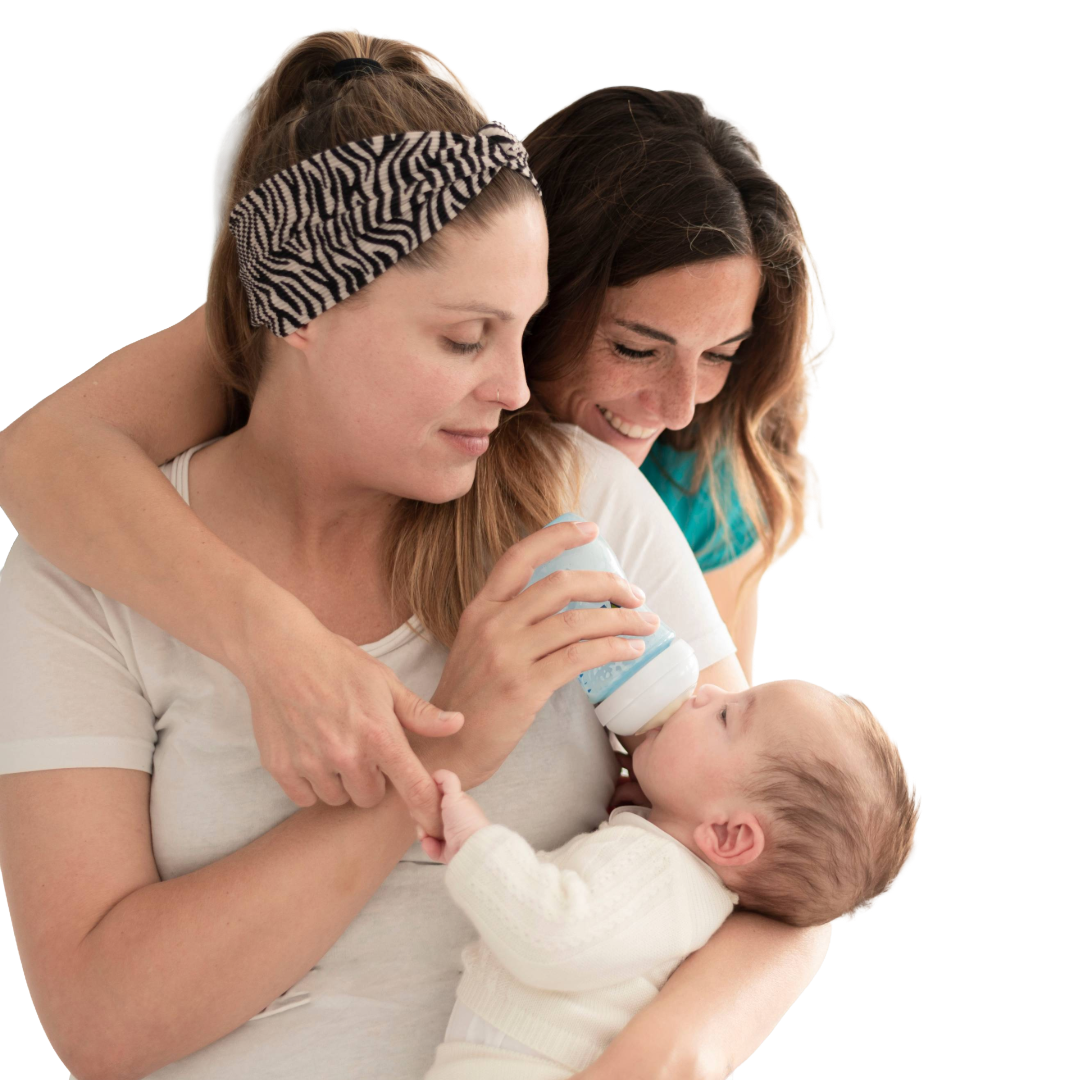
Your baby has feelings, and they’re already reading yours. They begin to calm down when spoken to or picked up, are happy to see you, and smile when talked to. When you respond consistently to their cries, your baby learns something powerful: the world is safe, and I can count on you. You can’t spoil a baby.
Your baby is showing more expressions. They smile to get your attention, laugh when you try to make them giggle, and use sounds and movements to stay connected with you. By 6 months, they recognize familiar faces, enjoy looking at themselves, and are beginning to understand the emotions on your face.
Your baby’s emotional world is expanding. They may get anxious around unfamiliar people and reach for you when someone they don’t know comes close. This is completely normal and healthy, it means your baby knows you are their safe person.
Something to Notice
Birth to 1 Year
Does your baby smile back at you? Show excitement when they see a familiar face? Look at you when something new or surprising happens?
Something to Try
Birth to 1 Year
Name the emotions your baby shows like frustration, excitement, or fear. “You’re frustrated that toy won’t do what you want.” Putting feelings into words helps your baby’s brain learn to process emotions.
Toddlers: 1 - 3Years
Toddlers are figuring out who they are! That’s big, exciting, and sometimes messy work. This is a time of growing independence, big feelings, and an increasing interest in other people.
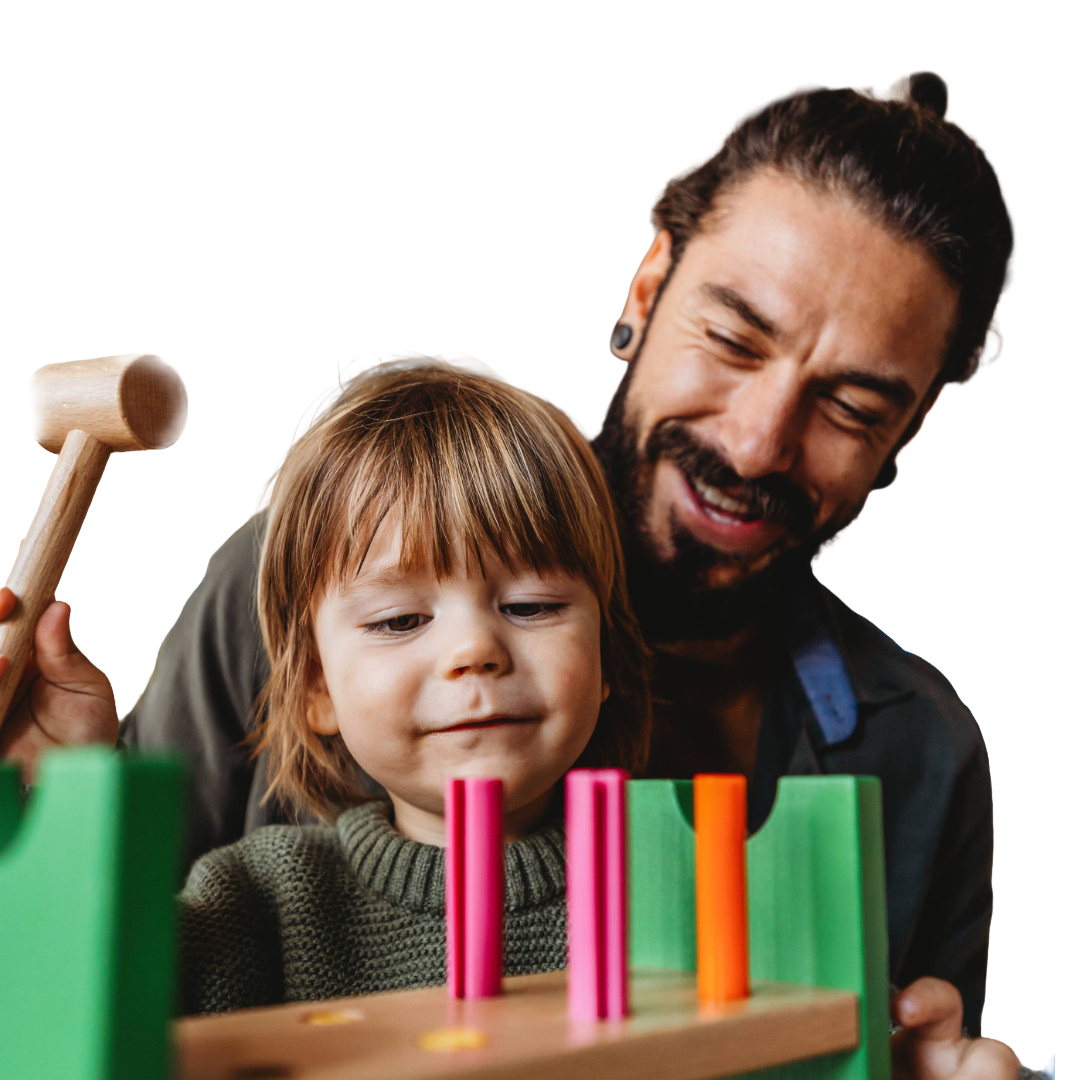
Your toddler loves games like pat-a-cake and is starting to copy what other children do. They may bring you a favorite toy to share, clap when they’re excited, and show affection through hugs and cuddles. They’re also beginning to notice other children and show interest in being around them, even if they’re not quite playing with them yet.
Your toddler is testing their independence, they may move away from you to explore, but look back to make sure you’re still there. They point to show you interesting things, and they want to help with simple tasks like picking up toys. This is also when tantrums often begin. Big feelings are real feelings, and your toddler doesn’t yet have the words or brain development to manage them alone. Your calm presence makes a big difference.
Your toddler is starting to notice when others are hurt or upset. They may pause or look sad when someone cries. They look at your face to see how to react in new situations.
Your child is beginning to play more actively with other children, follow simple routines, and show pride in what they can do.
Something to Notice
1 to 3 Years
Does your child show affection? Notice when others are upset? Start to play alongside or with other children? Look to you for reassurance in new situations?
Something to Try
1 to 3 Years
When your toddler has a meltdown, stay calm and close. Afterward, name what happened, “You were angry when we had to leave the park. That was hard.” You’re giving them names to big feelings.
Preschoolers: 3 - 5Years
Preschoolers are becoming little social beings with real friendships and a growing understanding of rules, roles and relationships.
Your child is beginning to play more actively with other children, follow simple routines, and show pride in what they can do.
Your child’s friendships are becoming more meaningful. They want to be like their friends, follow the rules of games, and may start to do simple chores at home. They may sing, dance, or perform for you, and they love an enthusiastic audience.
Something to Notice
3 to 5 Years
Does your child engage in pretend play? Seek out friends? Show concern when someone is hurt? Begin to follow rules and take turns?
Something to Try
3 to 5 Years
Read books together with characters who show different feelings and ask “How do you think they feel? What would you do?” Stories are one of the safest places for children to explore big feelings.
Find Support
Explore these helpful resources to find friendly, expert support in your own community.