How does your child explore, learn, and make sense of the world?
From the moment they’re born, children are curious. Every look, every touch, every dropped toy is a learning experience. Thinking and problem solving develops gradually. From a newborn who stares at your face to a five-year-old who can count to ten, write their name, and tell you exactly what happened yesterday. Your everyday interactions fuel every step of that journey.
Infants: Birth to1 Year
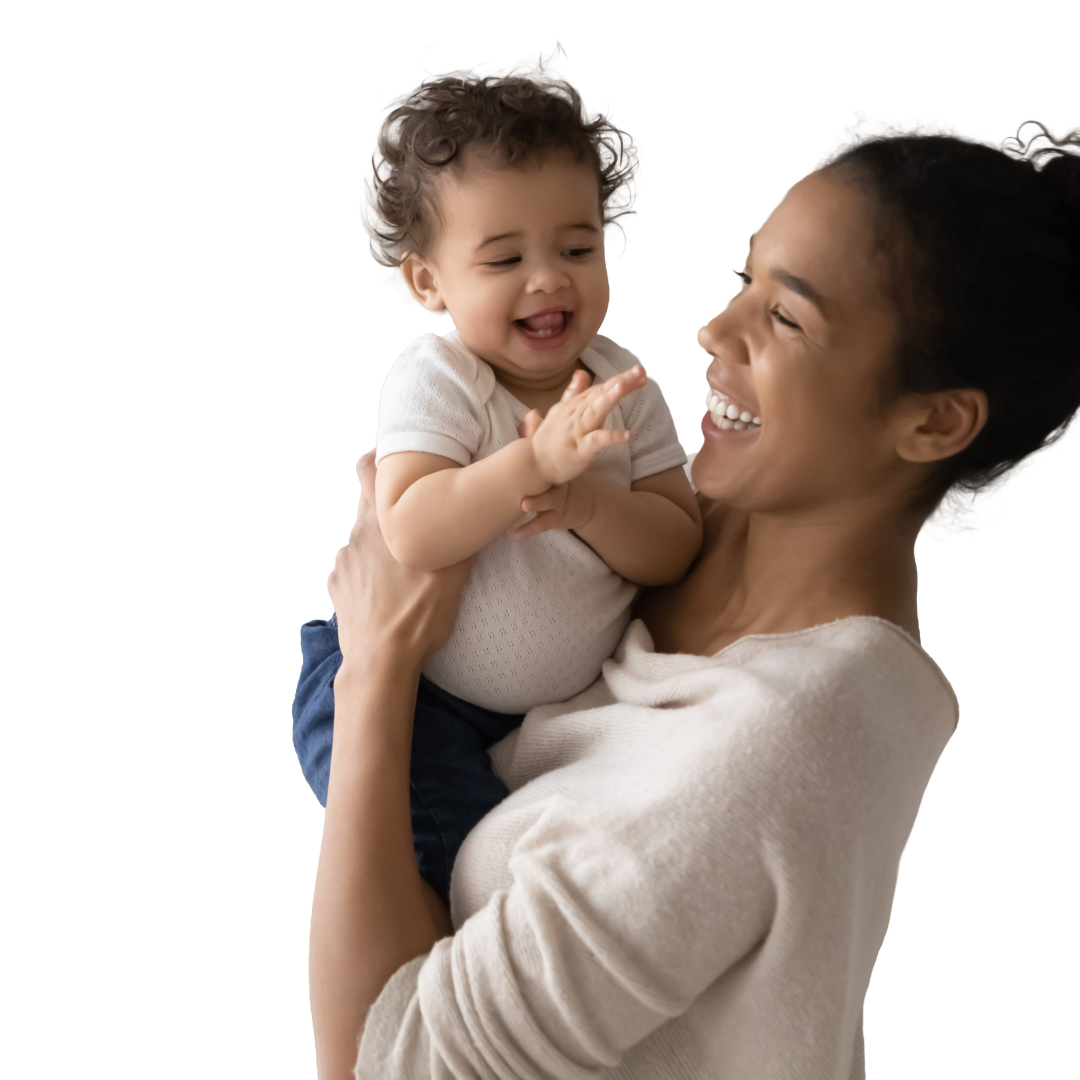
From the moment they’re born, babies are curious. Every look, touch, and sound is a learning experience, and your baby’s brain is growing faster in their first year than at any other time in life.
Your baby is taking everything in. They study faces, track moving objects with their eyes, and startle at new sounds. Even staring at a fan on the ceiling is your baby’s brain at work, noticing and beginning to make sense of their surroundings. They’ll watch you as you move around the room and fix their eyes on a toy for several seconds.
Babies start to realize their actions have effects. Kicking a toy and watching it move, or cooing and getting a smile back. These moments teach your baby one of the most important early lessons: I can make things happen. You’ll notice your baby putting everything in their mouth as a way to explore their world and learn what is around them.
Your baby is becoming an active explorer. They’ll mouth, shake, bend, and drop objects to learn what they do. They look for objects that have dropped out of sight and start banging two things together just to see what happens. .
Your baby is starting to solve simple problems, figuring out how to get a toy that’s just out of reach, looking for things they watched you hide, and putting objects into containers. They’re also beginning to copy what they see you do, which is one of the most powerful ways babies learn.
Something to Notice
Birth to 1 Year
Does your baby look for dropped or hidden things? Try different ways to explore a new toy? Watch carefully what you do and try to copy it?
Something to Try
Birth to 1 Year
Play simple hide-and-seek games. Hide a favorite toy under a cloth and watch your baby search for it. This builds memory, curiosity, and early problem-solving skills.
Toddlers: 1 - 3Years
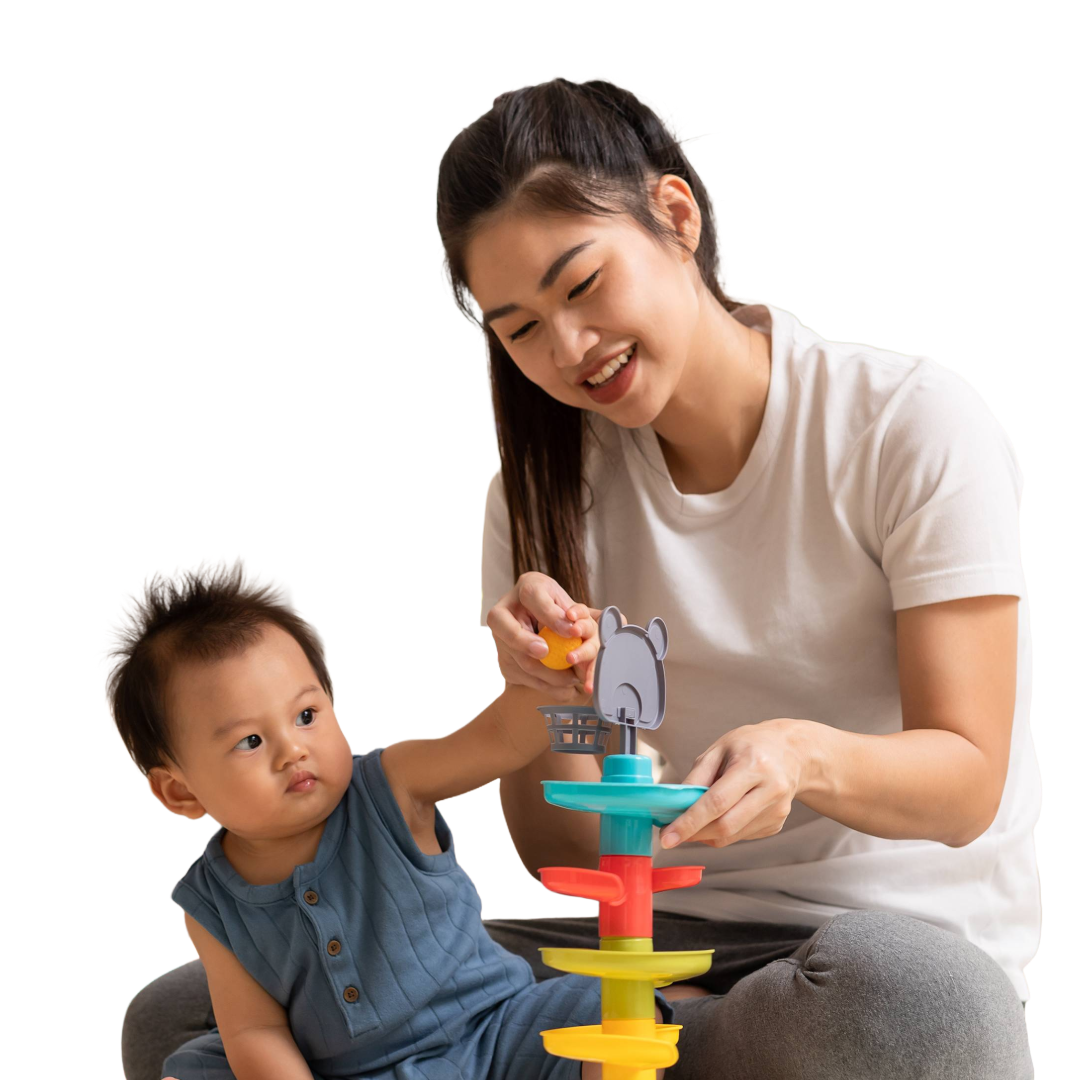
Toddlers are little scientists. They test, experiment, copy, and figure things out through hands-on exploration and they need space and time to do it.
Your toddler is starting to use objects the way they’re meant to be used, holding a phone to their ear, drinking from a cup, turning pages in a book. They can put things into containers and stack at least two small objects.
Your toddler is copying your actions around the house, “helping” with chores, pushing a toy car the way they’ve seen you drive, pointing to pictures in books. They’re starting to understand what objects around the house do and play with toys in purposeful ways.
Problem-solving is getting more sophisticated. Your child can hold something in one hand while using the other, work with simple switches and buttons on toys, and play with more than one toy at a time. They’re beginning to sort shapes and colors, listen to short stories, complete simple puzzles, and match pictures to real objects. Their play is becoming more focused.
You’ll see your child in pretend play! Feeding blocks to their stuffed toys like they are food or using bananas as phones. They’re also showing real problem-solving, like standing on something to reach a toy, following two-step instructions, and beginning to identify colors. By 3, most children can draw a circle when shown how.
Something to Notice
1 to 3 Years
Is your child using objects the way they’re meant to be used? Imitating your actions? Beginning to sort, match, or pretend? Showing simple problem-solving?
Something to Try
1 to 3 Years
Give your toddler simple problems to solve like stacking cups, or a simple puzzle. It builds their problem solving skills.
Preschoolers: 3 - 5Years
Preschoolers are thinkers, planners, and wonderers. Their thinking world is expanding rapidly, from colors and counting to storytelling and early literacy.
You child can name several colors, draw a person with three or more body parts, and tell you what comes next in a familiar story. They’re beginning to understand the concept of time, not fully, but in simple ways. They are starting to connect what they know to what they’re learning. They also understand basic safety, like not touching something hot when warned.
This is when early academic skills they’ll need in school start to grow, and they’re built on everything that came before. Your child is counting to 10 and writing some letters in their name. They’re using time words like “yesterday” and “tomorrow”, paying attention for 5 to 10 minutes during activities they enjoy, and showing curiosity about how things work and why. By 5, your child’s thinking is more organized, more flexible, and more connected.
Something to Notice
3 to 5 Years
Is your child counting, naming colors, and recognizing letters? Engaging in pretend play with a storyline? Paying attention for longer stretches? Asking lots of “why” questions?
Something to Try
3 to 5 Years
Follow your child’s curiosity. When they ask a question like “Why is the sky blue?” talk it through or find a book about it. Curiosity is the engine of learning.
Find Support
Explore these helpful resources to find friendly, expert support in your own community.